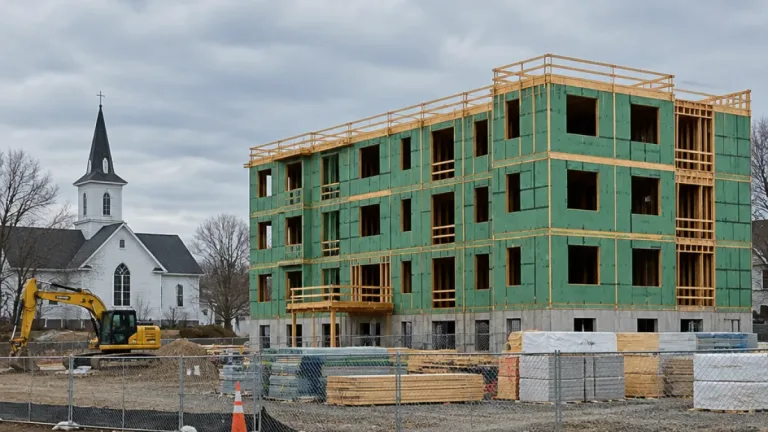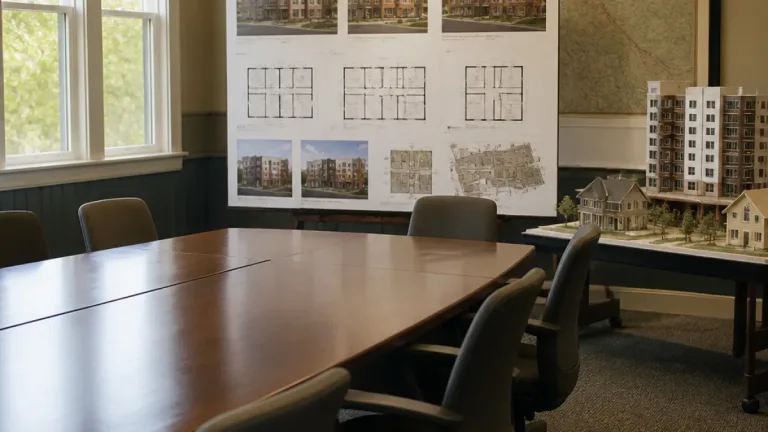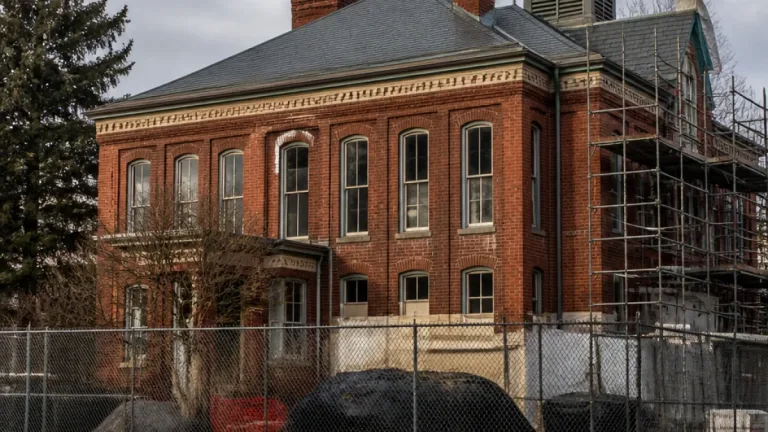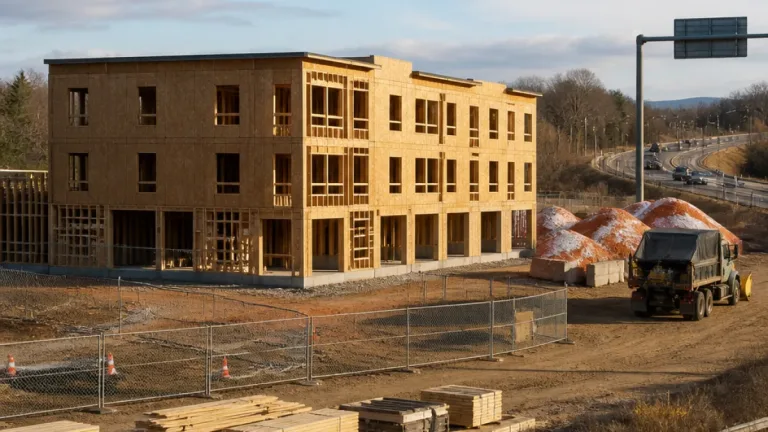
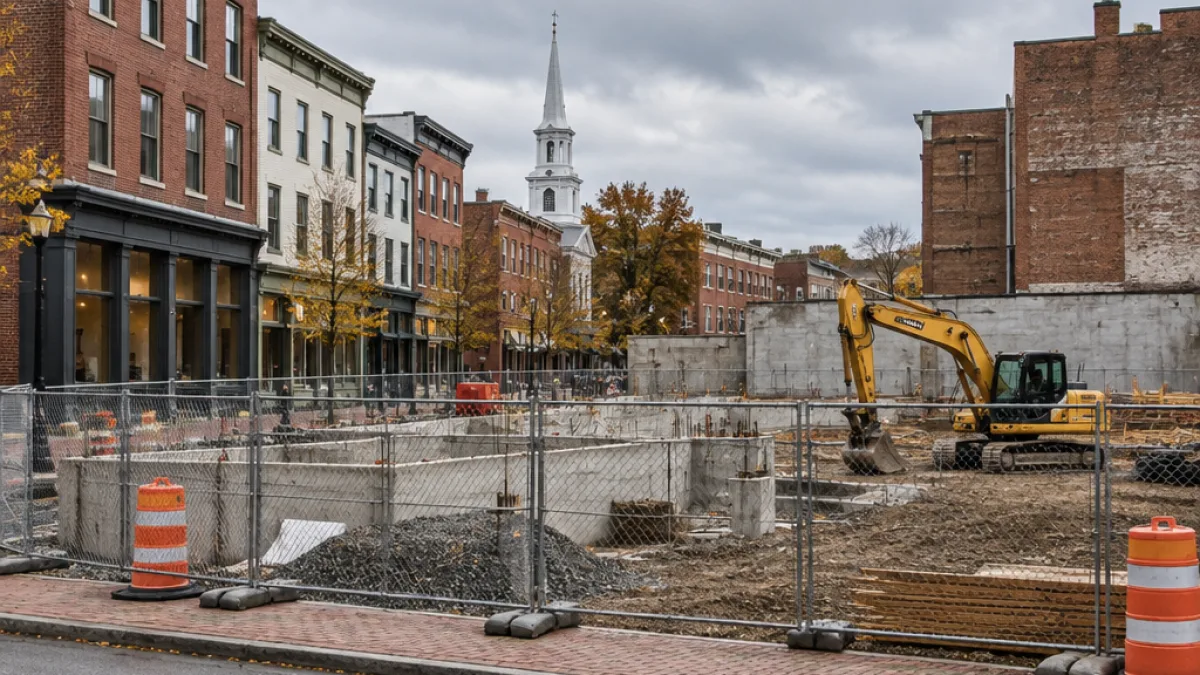
A proposal to redevelop the former Lilac City Grille property with a restaurant and eight apartments is moving toward a public hearing after the Rochester City Council advanced a request for temporary property tax relief.
Property owner Norman Vetter is seeking benefits under New Hampshire’s 79-E community revitalization tax relief program for the site at 103 North Main St. The request received a first reading at the council’s Nov. 10 meeting and was advanced to a Dec. 1 public hearing.
The property’s former restaurant building was demolished earlier this year. The proposed redevelopment calls for a new restaurant and eight apartments, including units described as below-market-rate housing.
How the tax relief works
New Hampshire’s 79-E program allows municipalities to provide temporary property tax relief for the rehabilitation or redevelopment of qualifying properties. The incentive is intended for blighted or historic sites that could otherwise remain vacant, and the municipality negotiates the length and terms of the relief.
Under the arrangement described for the Rochester proposal, the property would be taxed for the agreed period using its assessed value before the new development is completed. That means the tax assessment would not immediately reflect the higher value associated with the restaurant, apartments and related improvements.
The proposed relief would last nine years. After that period ends, the owner would begin paying property taxes based on the property’s increased assessed value following redevelopment.
- Location: 103 North Main St. in Rochester
- Proposed development: A restaurant and eight apartments
- Tax program: New Hampshire’s 79-E community revitalization incentive
- Requested relief: Nine years
- Next public step: Rochester City Council hearing on Dec. 1
The council’s Dec. 1 hearing will give the public an opportunity to comment on the requested tax treatment before the city considers the proposal further. The 79-E process links the temporary assessment to redevelopment of the property and provides for taxation at the property’s higher post-project assessed value once the relief period expires.