President Donald Trump has signed into law a bipartisan measure backed by Sen. Maggie Hassan that changes how federal authorities share information about suspected counterfeit imports.
The Counterfeit Notification Act was introduced in the Senate by Hassan, a New Hampshire Democrat, and Sen. Chuck Grassley, R-Iowa. Rep. Blake Moore, R-Utah, and Rep. Brad Schneider, D-Illinois, led the legislation in the House. The measure became law after passing through both chambers of Congress and receiving Trump’s signature.
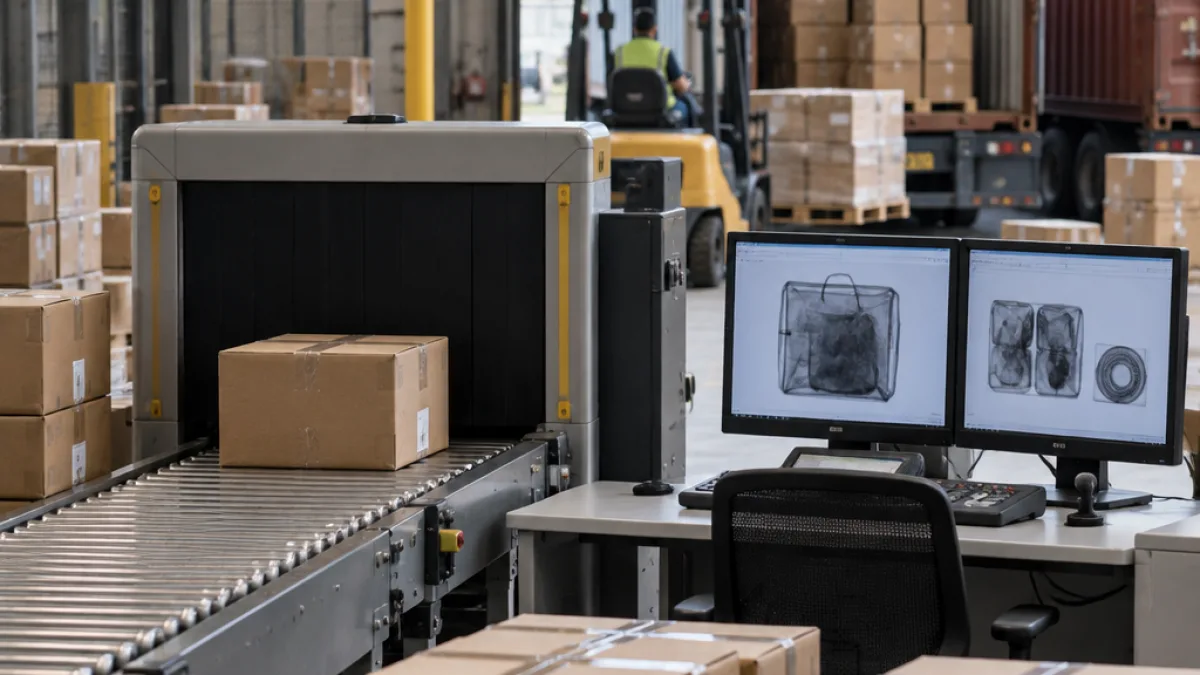
The law addresses shipments that U.S. Customs and Border Protection identifies as potentially containing counterfeit or pirated products. It gives CBP additional authority to share packing and shipping information connected to those goods with people and businesses that may help identify or stop them.
- CBP may share information with intellectual property rights holders.
- Transportation carriers and e-commerce platforms may receive information about suspected counterfeit shipments.
- The law is intended to disrupt imports involving counterfeit products and pirated goods.
Information-sharing provisions
Counterfeit products can affect businesses that own trademarks, patents or other intellectual property as well as consumers who purchase goods represented as authentic. The legislation’s provisions focus on communication between CBP and private-sector partners involved in shipping, selling or protecting products.
“I am thrilled that the Counterfeit Notification Act has been signed into law! This bill safeguards American businesses and consumers from counterfeiters, IP thieves, and black-market traders by giving CBP additional authority to stop counterfeit and pirated imports. I am grateful for the collaboration with my Ways and Means colleagues, Representatives Adrian Smith and Brad Schneider, and Senators Grassley and Hassan.”
Moore said the measure would give CBP more authority to stop counterfeit and pirated imports. Schneider said counterfeit goods put inventors, designers, producers and consumers at risk, and that disrupting counterfeit networks protects intellectual property and innovation.
Grassley tied the law’s implementation to consumer purchases during the holiday season. He said buyers want gifts to be safe and authentic, and that counterfeit goods harm U.S. businesses, threaten the economy and may pose risks to consumers. He said greater communication between government agencies and private-sector partners would help prevent dangerous counterfeit products from entering the country.
The law’s sponsors described it as a bipartisan measure that passed both chambers before Trump signed it. Hassan’s role gives New Hampshire representation in the Senate effort to expand the information CBP can provide to rights holders, carriers and online marketplaces when suspected counterfeit imports are identified.