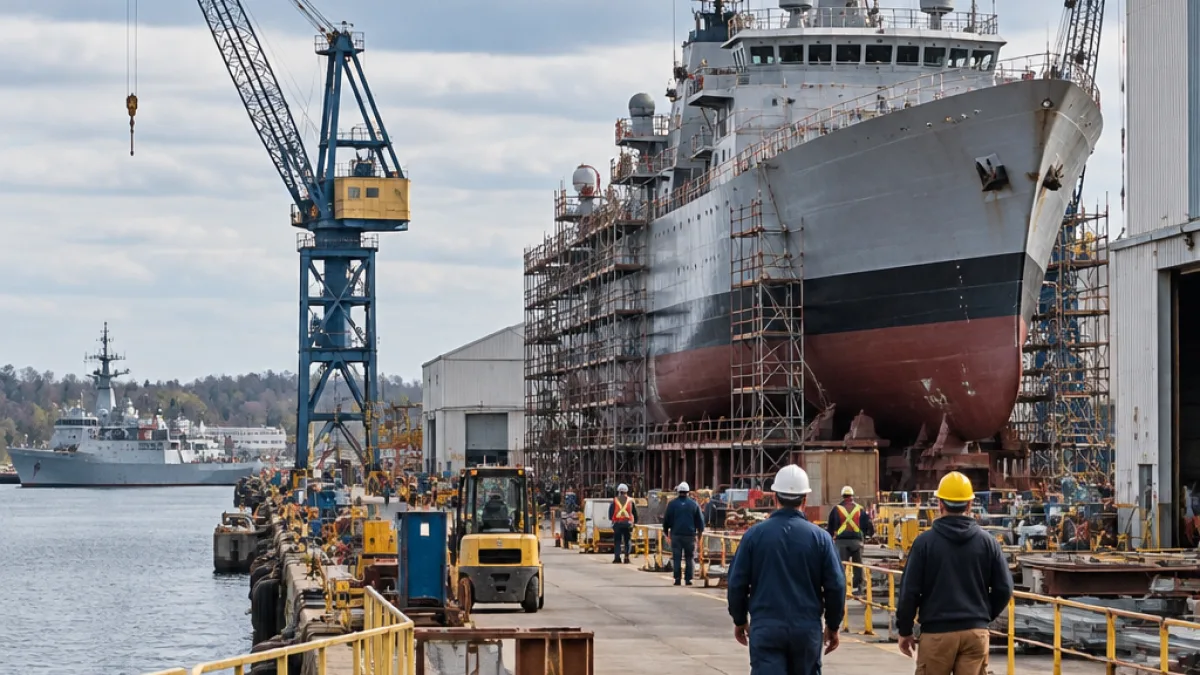
Rep. Maggie Goodlander has introduced two bills addressing staffing at public shipyards and housing protections for people involved in domestic violence cases in military communities. The measures, H.R. 11042 and H.R. 11043, were received by Congress on Nov. 17.
Shipyard staffing bill
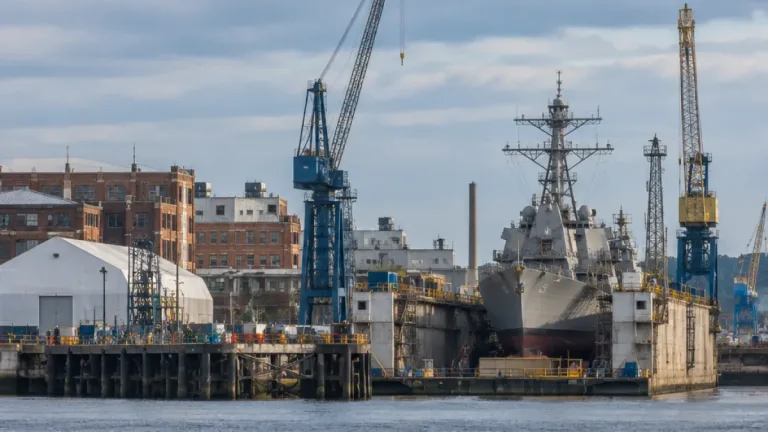
H.R. 11042, named the Public Shipyard Workforce Protection Act of 2026, would restrict how the Department of Defense uses fiscal 2027 funds for civilian staffing decisions at public shipyards.
Under the proposal, the department could not use those funds to impose a hiring freeze, carry out a reduction in force or leave vacant federal civilian positions unfilled without providing a reason. The restrictions would apply to money authorized or otherwise made available to the Defense Department for fiscal 2027.
The measure would change the use of existing Defense Department funding rather than establish a new federal program. The legislation would not require additional federal spending. Quiver LegislationRadar reported that the bill had six cosponsors when its text was received.
Military housing protections
Goodlander’s second measure, H.R. 11043, is titled the Safe Housing for Military Domestic Violence Survivors Act. It would direct the Defense Department to create and enforce a policy for military housing arrangements after a domestic violence report or complaint.
The proposed policy would cover the Army, Navy, Air Force, Marine Corps and Space Force. It would require unit commanders to move an alleged offender to separate military housing, creating physical separation from the victim within military housing facilities.
The bill also would allow victims to retain certain housing assistance, according to the legislative description. Quiver LegislationRadar reported that the measure had one cosponsor when it was received by Congress.
- H.R. 11042: limits fiscal 2027 Defense Department funding for hiring freezes, reductions in force and unfilled civilian positions at public shipyards.
- H.R. 11043: requires a military housing policy that separates alleged domestic violence offenders from victims.
- Both proposals were received by Congress on Nov. 17, 2026.
The measures remain proposals. The legislative information describes their provisions and cosponsors but does not indicate that either bill has passed.