Nearly 500 New Hampshire police officers could be suspended from duty starting Jan. 1 if they do not complete required physical fitness testing and related paperwork by the end of the year, according to the executive director of the state agency that oversees police standards.
John Scippa, executive director of the New Hampshire Police Standards and Training Council, told InDepthNH.org that 499 officers had not yet completed the process as of Wednesday. New Hampshire has almost 4,000 police officers, meaning the number still awaiting completion represents more than 10% of the statewide force.
“Starting Jan. 1, they will be suspended from duty until such time as they can get the tests done,” Scippa said.
The deadline is Dec. 31. Officers who remain out of compliance could be suspended until their tests are completed, under the requirements administered by the Police Standards and Training Council.
Testing includes medical clearance
The process involves more than performing a set of exercises. Officers must first receive clearance from a personal physician, then schedule and complete the physical test. Scippa said obtaining the medical clearance can take several weeks to a month, creating a scheduling step before an officer can take the exam.
Some officers among the 499 may already have completed the physical portion, Scippa said, but their results have not yet been fully recorded. Paperwork may still be waiting to be filed with the council or undergoing processing by the agency.
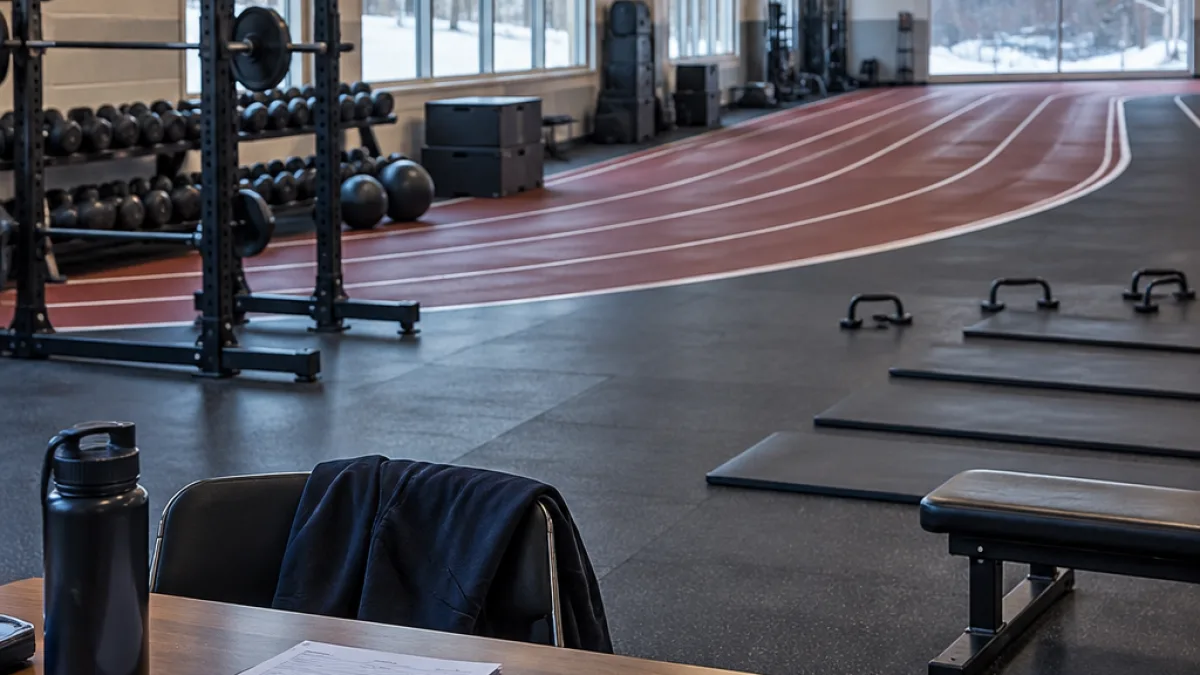
The test is required every three years and is adjusted for an officer’s age and biological sex. It measures tasks that include running 1.5 miles and completing pushups and situps within specified time periods.
- Officers must obtain medical clearance before scheduling the physical test.
- The standards are adjusted for age and biological sex.
- Results and required paperwork must be completed through the Police Standards and Training Council.
Potential effect on smaller departments
Scippa said the possible suspensions could be especially difficult for smaller police departments, where the loss of even one officer can affect staffing. He described the potential impact on those agencies as “a big hit, potentially.”
Officers may postpone testing while recovering from an injury or preparing to meet the physical requirements, Scippa said. The three-year testing requirement remains in place unless the Police Standards and Training Council grants a waiver.
Scippa said New Hampshire is the only state that requires police officers to pass a physical fitness test every three years. The approaching deadline applies to officers whose testing cycle or required documentation must be completed by Dec. 31.