Former state Sen. Andy Sanborn has repaid $510,454 in connection with federal pandemic loans that prosecutors said he used for personal expenses instead of his Concord casino.
Sanborn pleaded guilty in July to a federal fraud charge. The loans were intended to support businesses affected by the COVID-19 pandemic, but federal authorities said Sanborn used some of the money to purchase a Porsche. His sentencing is scheduled for January, and the charge carries a maximum sentence of 10 years in prison.
Under the plea agreement, federal prosecutors will recommend a sentence of one year. About half of Sanborn’s payment represents restitution required as part of the criminal case, while the remainder resolves potential civil claims related to the misuse of the loans, the U.S. Attorney’s Office in New Hampshire said.
Separate state case remains pending
Sanborn also faces a separate state criminal case involving allegations that he defrauded another federal pandemic-aid program. That case is scheduled to go to trial in February. The federal guilty plea and the repayment announced this week are separate from that upcoming proceeding.
- Sanborn pleaded guilty to federal fraud in July.
- His federal sentencing is scheduled for January.
- A separate state trial is scheduled for February.
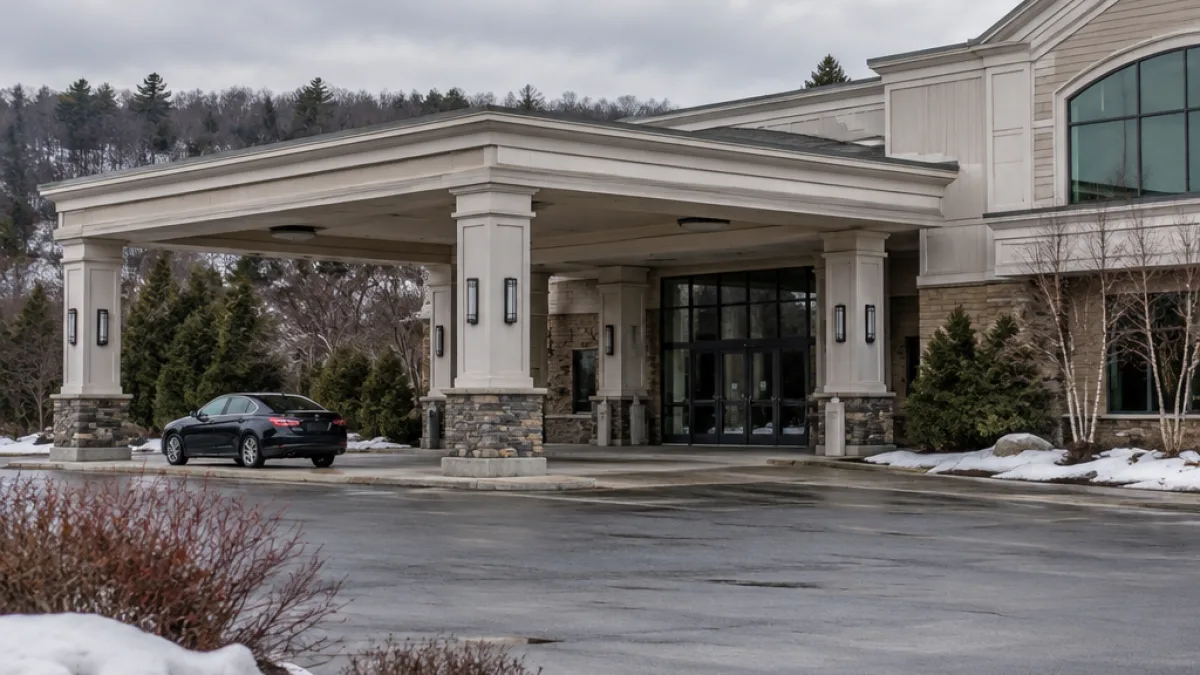
The criminal and civil matters follow a dispute over Sanborn’s casino license. In 2023, Attorney General John Formella and New Hampshire Lottery officials moved to revoke the license, citing the alleged misuse of more than $844,000 in pandemic loans. The state also ordered the casino, located in downtown Concord, to close.
Sanborn challenged the license revocation for three years. In an October ruling, the New Hampshire Supreme Court upheld the state’s decision. The ruling affected a reported $30 million agreement to sell the casino because the proposed transaction depended on Sanborn retaining the state license.
Sanborn’s federal sentencing and the separate state case remain pending. The state case is scheduled for trial in February, while the federal court is scheduled to impose sentence in January.