A Manchester committee has advanced a revised ordinance that would prohibit synthetic kratom products while allowing people 21 and older to use and possess the botanical form of the plant.
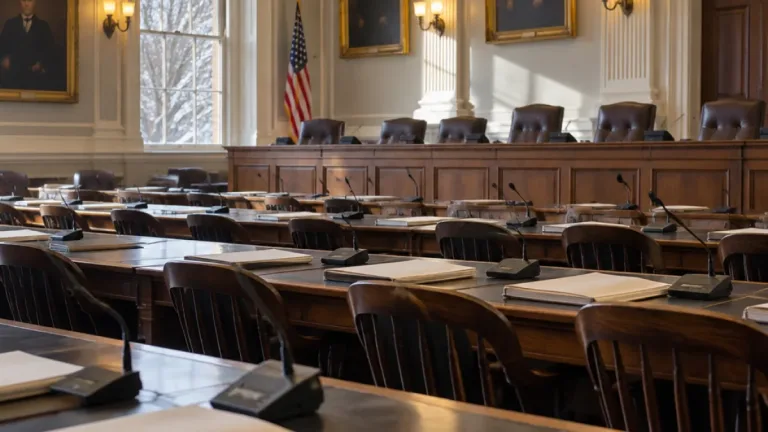
Members of the city’s Special Committee on Alcohol, Other Drugs & Youth Services approved the amended proposal Monday night at City Hall. The language had been reviewed by the city Solicitor’s Office. The measure addresses the use, possession, purchase, sale, delivery and public display of kratom products in Manchester, but it is not yet an enacted ordinance.
The earlier version would have prohibited kratom entirely in the city. The revised language instead distinguishes between traditional kratom made from the plant and manufactured products containing concentrated synthetic compounds. The proposal would leave the natural herbal form without restrictions while banning synthetic variations.
What the proposal would regulate
City health officials describe kratom as a tropical plant containing chemicals that affect the central nervous system. The product is widely sold at gas stations, vape shops and convenience stores. At higher amounts, the plant can produce effects resembling opioids, which has contributed to the nickname “gas station heroin.”
The proposed ordinance was introduced this fall by Manchester Aldermen Bill Barry and Kelly Thomas. They said consumers may incorrectly assume that kratom is safe because it is marketed as a natural or herbal product. The source material also says kratom has not been tested or medically validated.
“While traditional kratom involves brewing lower concentrations teas from raw leaves, the modern retail market is flooded with highly concentrated extracts, liquids, capsules, tablets and gummies,” Barry and Thomas wrote in a memo to fellow board members.
The memo distinguishes the traditional preparation from products increasingly sold in concentrated forms. The revised ordinance is aimed at those manufactured products rather than the plant’s natural form.
State law remains unchanged
The Manchester proposal follows a failed effort in the New Hampshire Senate earlier this year. That bill would have made synthetic and semisynthetic kratom illegal statewide, but it died without becoming law.
- Natural botanical kratom: The revised Manchester proposal would allow use by people 21 and older.
- Synthetic kratom: The proposal would prohibit synthetic variations and products containing concentrated synthetic compounds.
- Current status: The committee approved the amended language for consideration by Manchester aldermen; the citywide ordinance has not been enacted.
The committee’s action gives the city’s elected officials a narrower proposal to consider than the original measure. The amendment keeps the focus on manufactured and synthetic products while permitting the natural botanical version for adults. The proposal’s next consideration is before Manchester aldermen.