New Hampshire’s housing market showed modest signs of easing in October, with fewer closed sales, pending sales and new listings than earlier in the year. The median price of a single-family home fell to $543,223, down from the record $580,000 reached during the summer.
The October median remains higher than it was a year earlier, continuing a nearly seven-year stretch of year-over-year price increases reported by the New Hampshire Association of Realtors. The median represents the midpoint of home sale prices, with half of the homes selling for more and half for less.
“One month doesn't make a trend. We’ll need to see several months of data before concluding that the market is experiencing a more sustained slowdown.” — Josh Greenwald, president of the New Hampshire Association of Realtors
About 3,000 homes were available for sale across the state in October, an increase of nearly 19% from October 2025. The larger supply gives buyers more options than they had a year ago, but the number of homes on the market remains well below historical levels.
Greenwald said the state still has fewer than half as many homes available as it did a decade ago. That shortage continues to support higher prices even as inventory improves, leaving New Hampshire in what he described as a seller’s market.
Housing supply remains the central issue
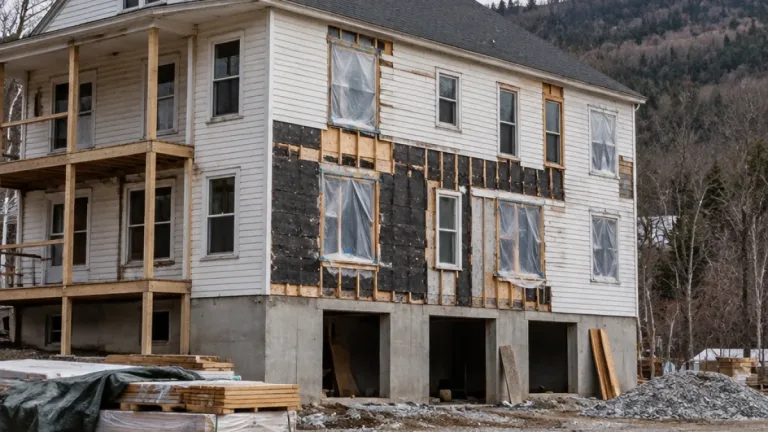
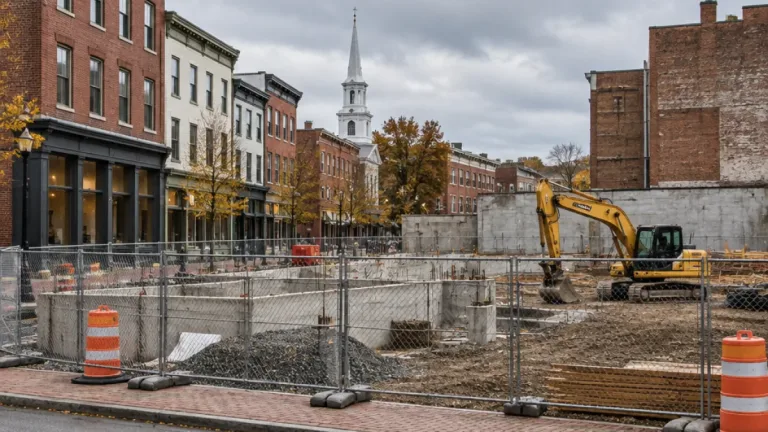
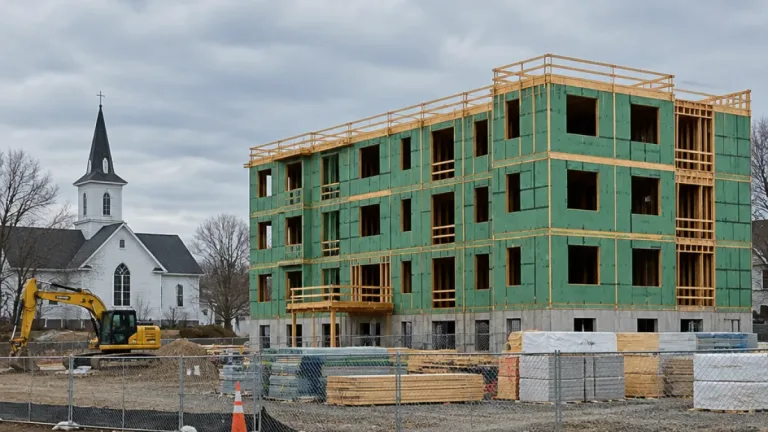
The market figures come as New Hampshire continues to face limited housing availability and prices that have made it difficult for some residents to buy. Greenwald said lawmakers should focus on adding housing in communities across the state when the new Legislature convenes next year.
- The October median single-family home price was $543,223.
- About 3,000 homes were listed for sale statewide.
- Inventory was nearly 19% higher than in October 2025 but remained below the level recorded a decade ago.
Greenwald also pointed to regulatory barriers affecting builders and developers. The Legislature approved several measures during its last session that reduced some zoning regulations statewide, an approach that housing experts have advocated as a way to support additional construction.
Lawmakers are expected to continue examining housing regulations next year. The October figures provide a snapshot of a market with somewhat more inventory and lower prices than during the summer, while the longer-term data continues to show elevated costs and a shortage of available homes.