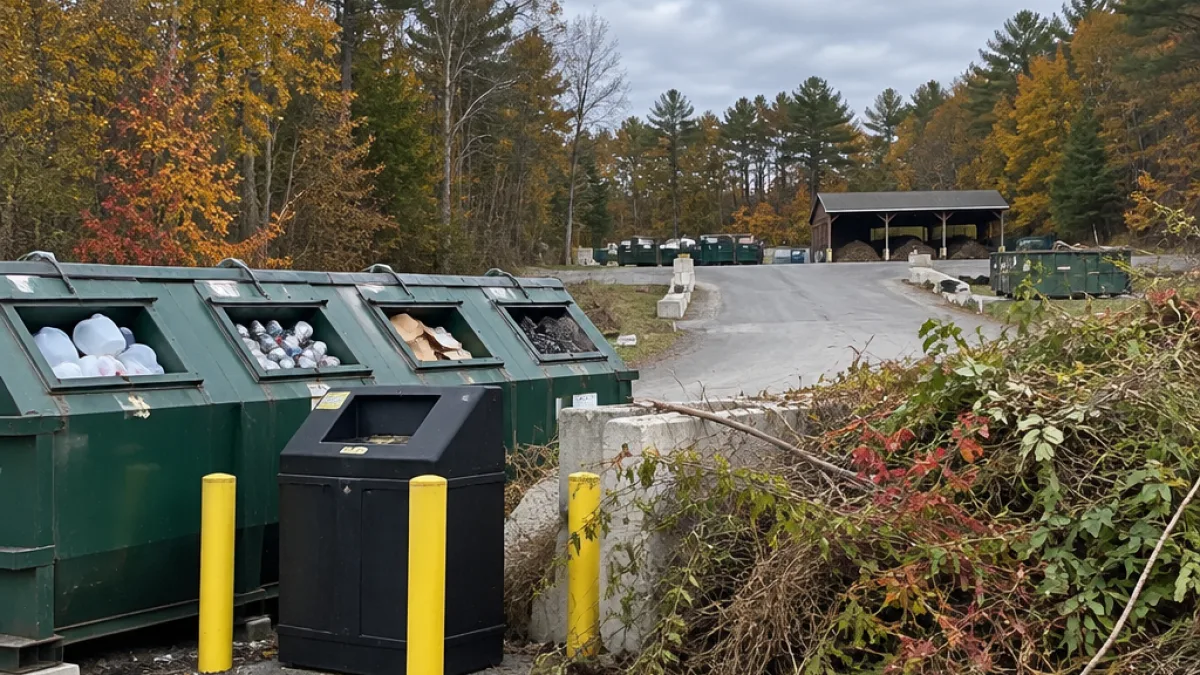
Merrimack officials plan to take public comment Nov. 19 on proposed changes to the town’s solid-waste ordinance, including rules for invasive plants, lithium batteries and commercial use of the transfer station.
The revisions follow fee changes approved for certain transfer-station services earlier this year. Town Manager Paul Micali said the ordinance must be updated to reflect the amended fee structure and other changes under consideration.
“Yes, because we amended the fee structure, now we have to bring those items into the ordinance,” Micali said.
The proposed language would add definitions for commercial haulers and permits. It also would establish a definition for invasive species, giving the town a formal basis for addressing repeated violations of best practices at the facility, Public Works Director Dawn Tuomala said.
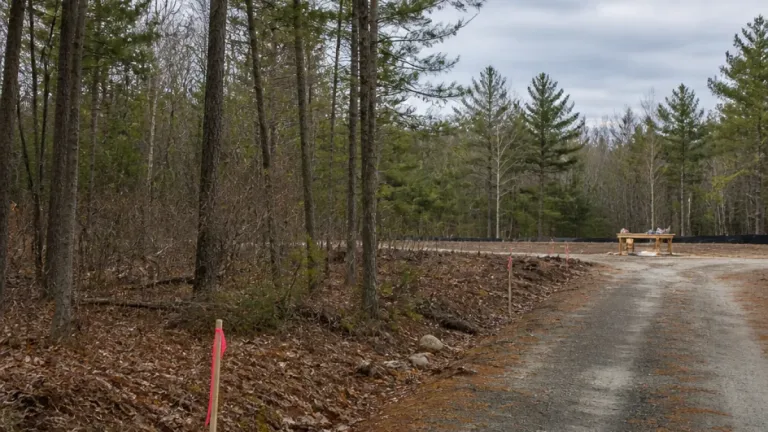
Tuomala said residents have brought invasive vegetation, including Japanese knotweed, to brush piles at the rear of the transfer station. The plant material can contain seeds that allow invasive species to spread, she said. Under the approach described to the council, such material should be placed with trash for incineration rather than in brush piles.
“In order to be able to address them, we need to have some sort of definition within the ordinance,” Tuomala said.
The proposed provision could allow the town to impose a fine when someone repeatedly and knowingly places prohibited invasive material in the brush pile, Tuomala said. The ordinance language is intended to give officials an enforcement mechanism for conduct that the town identifies as a continuing violation.
Another change would address the disposal of lithium batteries. Tuomala said the batteries need to be handled through an appropriate disposal process because placing them in ordinary trash or sending them for incineration is prohibited under state law. The addition is intended to reduce the risk of fires and other hazards at the solid-waste facility.
Issues under consideration
- Definitions for commercial haulers, permits and invasive species.
- Enforcement language involving invasive vegetation placed in brush piles.
- Disposal requirements for lithium batteries and related safety hazards.
The Nov. 19 public hearing will focus on the proposed ordinance language. The changes were presented as a broader update to the chapter governing the transfer station, after town officials reviewed provisions that remained to be addressed following the fee amendments.