New Hampshire’s infrastructure received a cumulative grade of C in a new assessment from the state section of the American Society of Civil Engineers, an improvement from the C-minus grade issued in 2017.
The 2026 evaluation covers 12 categories: aviation, bridges, dams, drinking water, energy, hazardous waste, ports, rail, roads, solid waste, stormwater and wastewater. The engineers’ group said a C indicates infrastructure that is in mediocre condition and generally meeting current needs, but requiring attention and modernization.
Categories with changed grades
Four categories — aviation, ports, rail and roads — improved from the 2017 assessment. Solid waste was the only category identified as receiving a lower grade. The state’s overall mark matches the cumulative grade in the American Society of Civil Engineers’ 2025 national infrastructure assessment.
- Four categories improved: aviation, ports, rail and roads.
- One category, solid waste, declined.
- The assessment covers 12 infrastructure systems across New Hampshire.
The assessment describes New Hampshire as having some of the oldest infrastructure systems in the country. Some structures have reached or exceeded their intended design lives, creating ongoing maintenance and modernization needs across the systems reviewed.
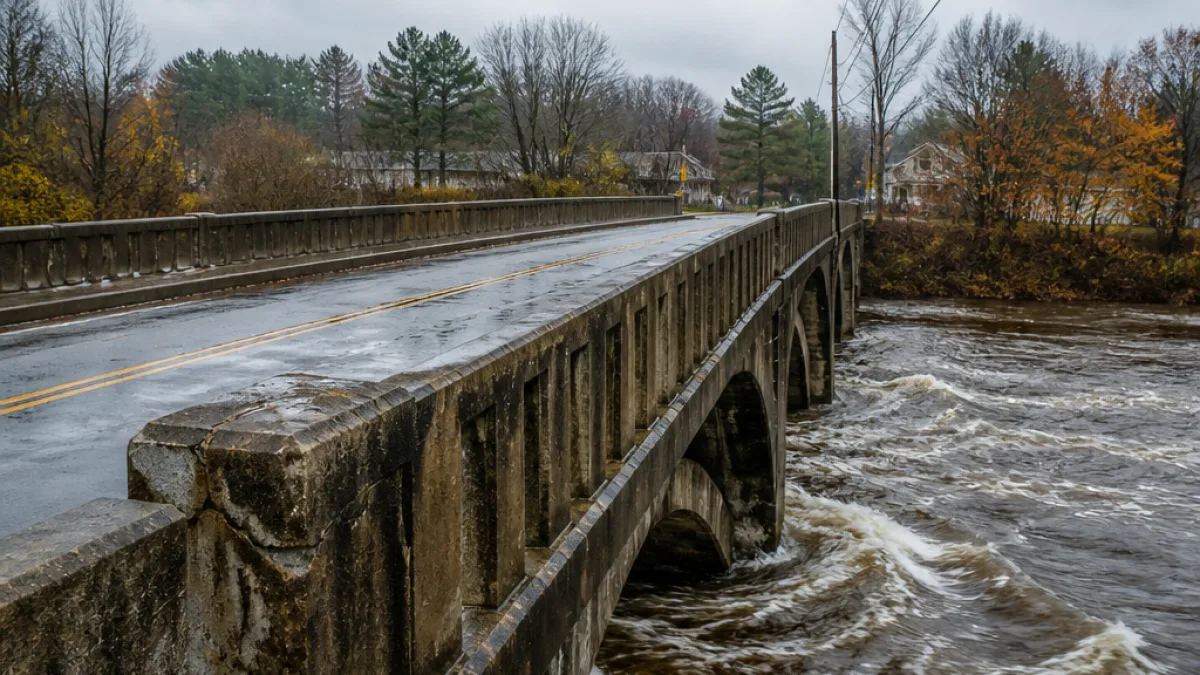
The engineers also said many older structures were designed before current climate projections and resilience technologies were available. As a result, the assessment identifies the state’s infrastructure network as vulnerable to changing precipitation patterns and flooding events.
“Safe and efficient infrastructure networks are responsible for connecting and protecting New Hampshire families and for growing our economy,” said Logan Johnson, co-chair of the 2026 Report Card for New Hampshire.
The assessment credits federal investment and state programs in transportation and freight with improving performance in those areas. It also cites more than $2 billion in federal infrastructure funding provided to New Hampshire through the Infrastructure Investment and Jobs Act, which expired in September 2026.
Beyond funding, the evaluation identifies workforce shortages as a challenge in every sector. The engineers’ group said retirements are increasing while the supply of new engineers entering the field remains insufficient. The report says continued investment will be needed to maintain and modernize infrastructure across New Hampshire.