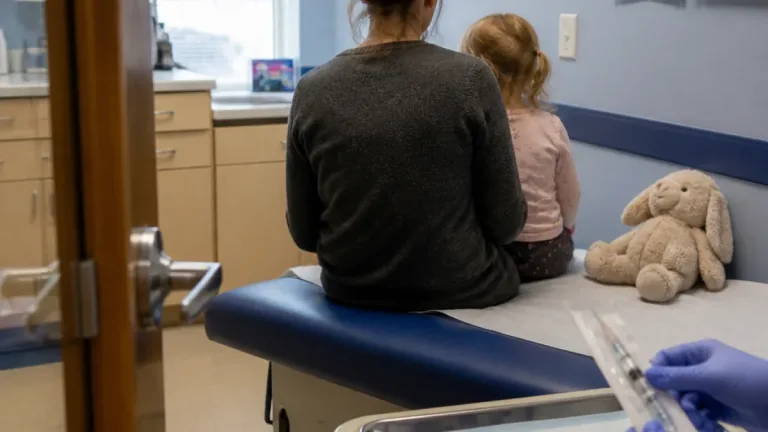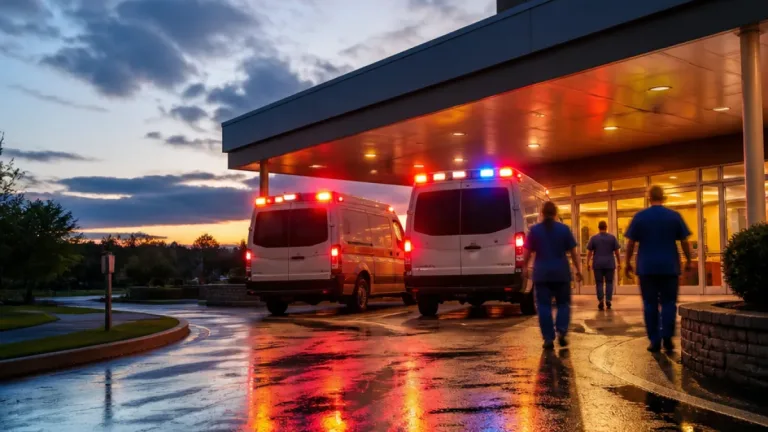
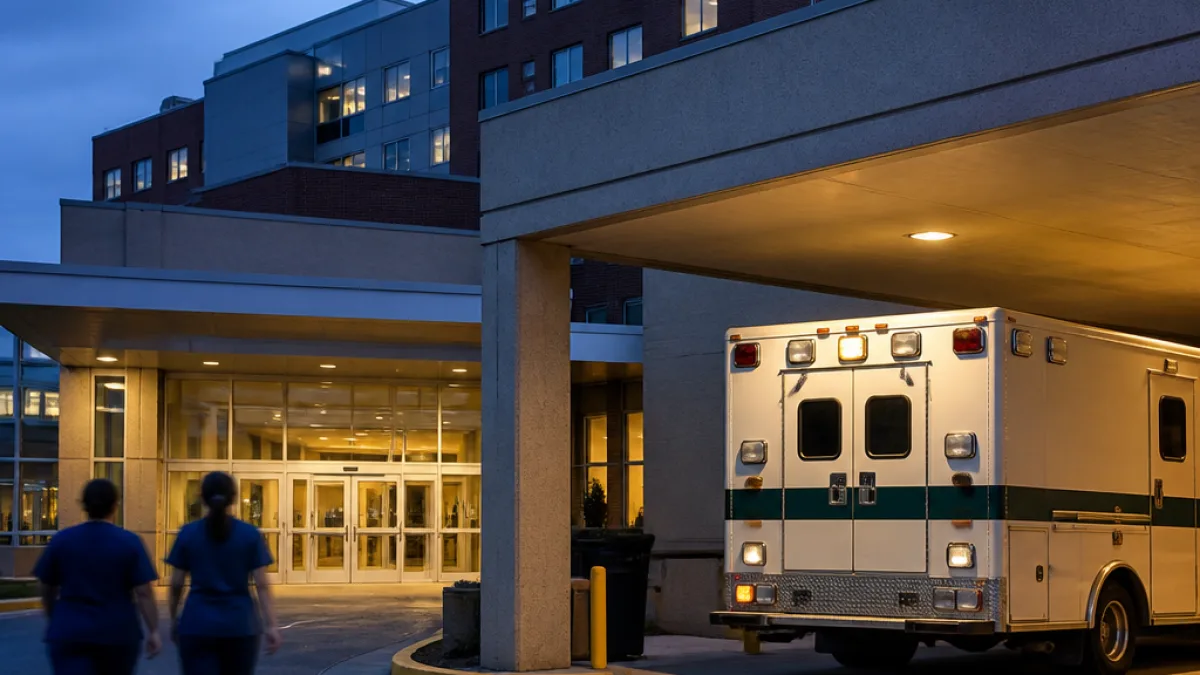
Staff shortages, budget cuts and rising patient demand are straining trauma care at Dartmouth Hitchcock Medical Center, hospital clinicians and administrators told U.S. Rep. Maggie Goodlander during a Friday meeting in Lebanon.
Level I center carries regional load
Dartmouth Hitchcock, which operates the only Level I trauma center in New Hampshire, receives patients from across the state and parts of Vermont. Clinicians said prolonged emergency department waits and scarce inpatient beds are becoming routine as hospitals absorb more uninsured or underinsured patients.
Dr. Eric Martin, a trauma and acute care surgeon who spoke at the meeting, said trauma medicine has faced “major funding challenges” over the past year and linked some of that pressure to federal policy changes. He said trauma injuries remain the leading cause of death for people ages 1 to 44.
“It’s the system in crisis,” U.S. Rep. Maggie Goodlander said after hearing from hospital staff
Hospital staff described long waits for inpatient beds. Wesley Miller, emergency management director at DHMC, recounted a recent case in which a 99-year-old patient waited about 36 hours for a bed; staff were working to meet her needs but no bed was available.
Federal funding and local gaps
Participants at the meeting discussed the impact of recent federal legislation. Dr. Martin said pressure on hospitals increased after the passage of HR-1, which he said reduced funding linked to Medicaid and the Affordable Care Act. The legislation also included a $50 billion national Rural Health Transformation Program; the state received about $204 million this year for that program.
Ryan Gerecht, an EMS director, called the $204 million allocation “a drop in the bucket” compared with the cuts hospitals have absorbed, saying the funds do not make up for reductions in other sources of support.
- Staffing shortages: clinicians and nurses stretched thin across emergency and inpatient units.
- Capacity constraints: long emergency department waits and delays finding inpatient beds.
- Financial pressure: more uncompensated care as nonprofit hospitals treat patients unable to pay.
| Fund | Amount |
|---|---|
| Rural Health Transformation Program (national) | $50 billion |
| New Hampshire allocation (this year) | $204 million |
Hospital leaders told Goodlander the combination of rising demand, workforce shortages and reduced reimbursement creates an unsustainable model for trauma and emergency services, particularly in rural parts of the state that rely on DHMC as a regional referral center.
The meeting did not include a public announcement of specific state or federal actions to address the concerns. Representatives for DHMC and Goodlander did not present immediate implementation steps during the session described at the meeting.