New Hampshire seniors have reported losing more than $25 million to scams, reflecting a nationwide pattern in which older adults are frequent targets of fraud, advocates say.
Nationally, people older than 60 filed about 200,000 fraud complaints in 2025 and reported losses totaling $7.75 billion, figures cited by a Money Matters counselor who works with older taxpayers and residents at a community center.
Why conversation matters
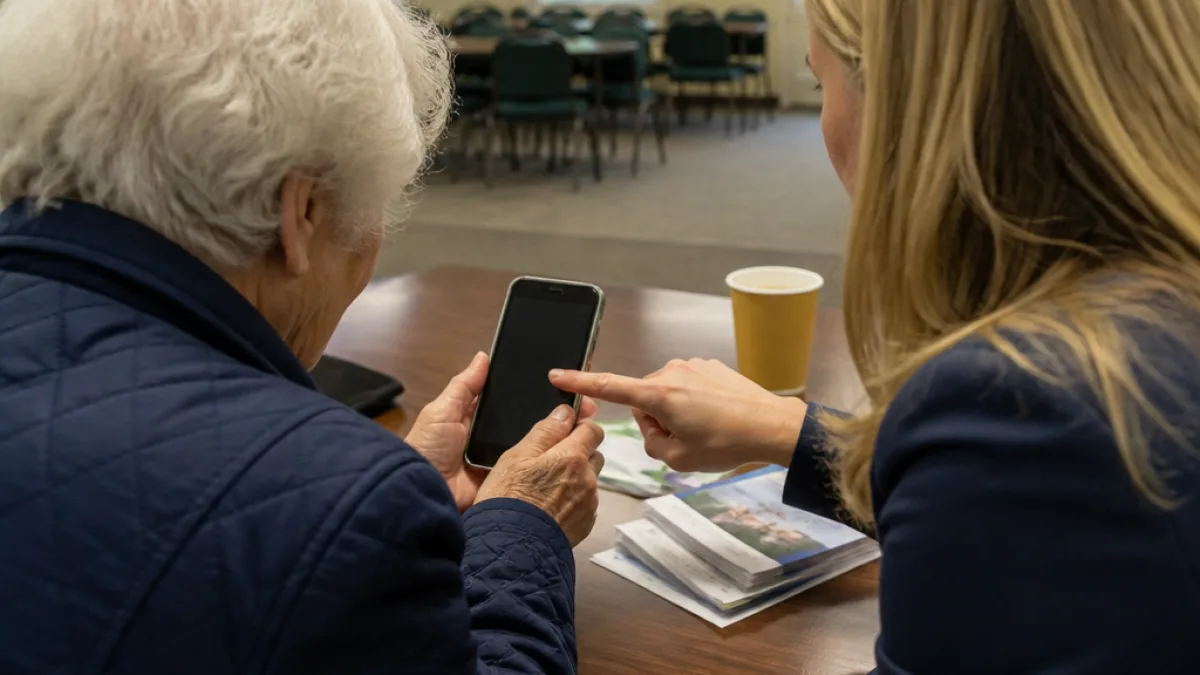
Nisa Simila, who runs the Money Matters program at The River Center, said many clients come to free tax and financial clinics asking whether messages they receive are legitimate. She said a simple conversation — pausing and asking for help — can prevent catastrophic losses.
“Is this email real?”
— a common question asked by clients, said Nisa Simila
Simila recounted a widely reported case featured on AARP’s podcast in which a woman in Bennington, Vermont, told how scammers convinced her to move nearly $950,000 over several months by falsely claiming her Social Security number had been leaked. That case, Simila said, illustrates the coercive tactics fraudsters use and the isolation victims can feel.
How scams play out and where people turn
- Scammers often use threats or urgent warnings to push victims into quick action, including transferring funds or buying cryptocurrency, Simila said.
- Victims commonly do not report losses because they fear blame or embarrassment; police in the Vermont case told the woman she had been victimized and advised her to contact the FBI, Simila said.
- Local programs that offer free tax preparation, money coaching and financial education can serve as early warning points where suspicious requests are identified and stopped.
Simila said when clients bring suspected scams to her table, she answers their questions and increasingly encourages them to bring others into the conversation — family members, friends or trusted advisors — before taking financial steps urged by an unsolicited caller or message.
Fraud losses reported by seniors in New Hampshire, she said, are almost certainly an undercount because many incidents go unreported. The Money Matters program and similar community organizations aim to reduce that gap by making it easier for people to ask whether an email, phone call or text is legitimate and to get help when it is not.
Simila urged relatives and neighbors to keep lines of communication open with older adults and to treat questions about unusual messages or financial requests as routine rather than shameful. She said that simple conversations can be the best defense against sophisticated scams.