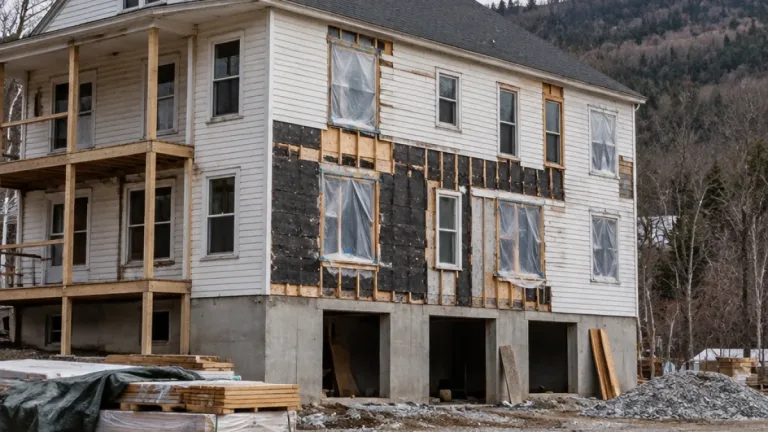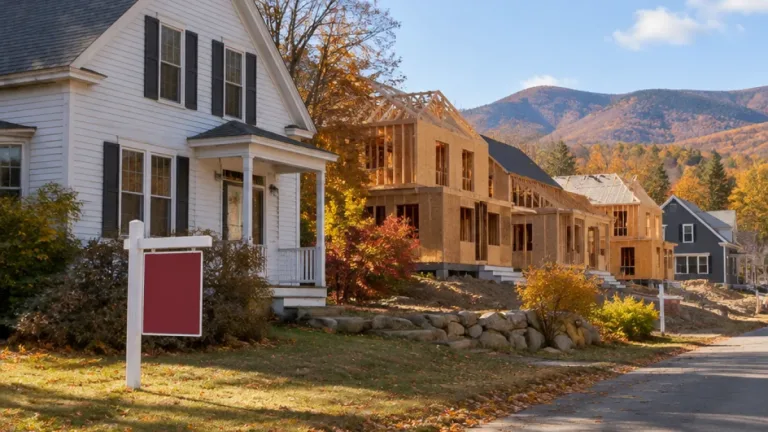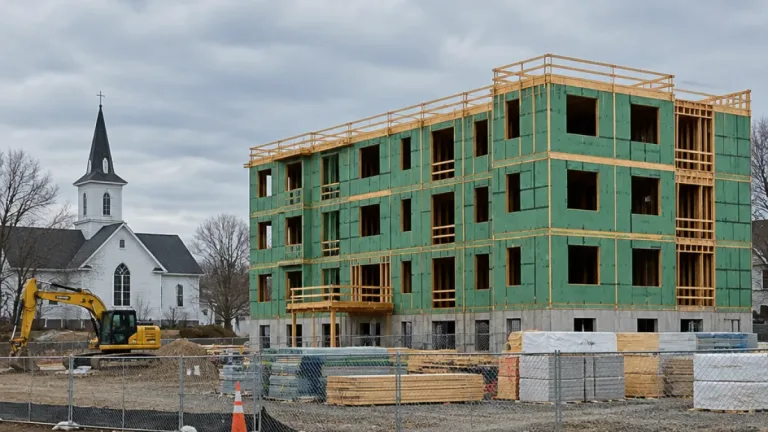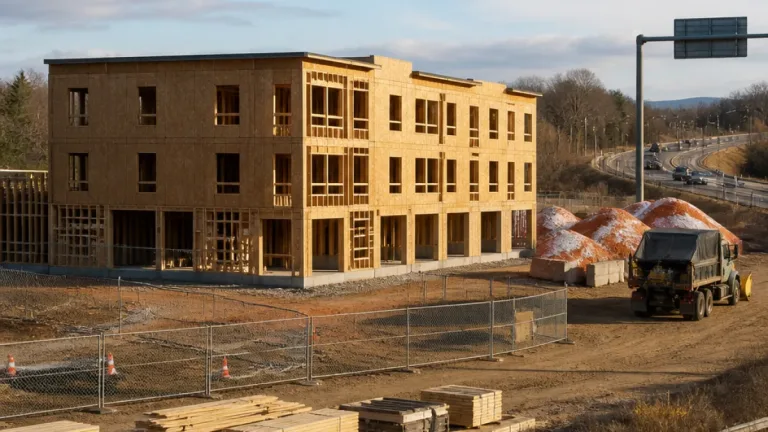
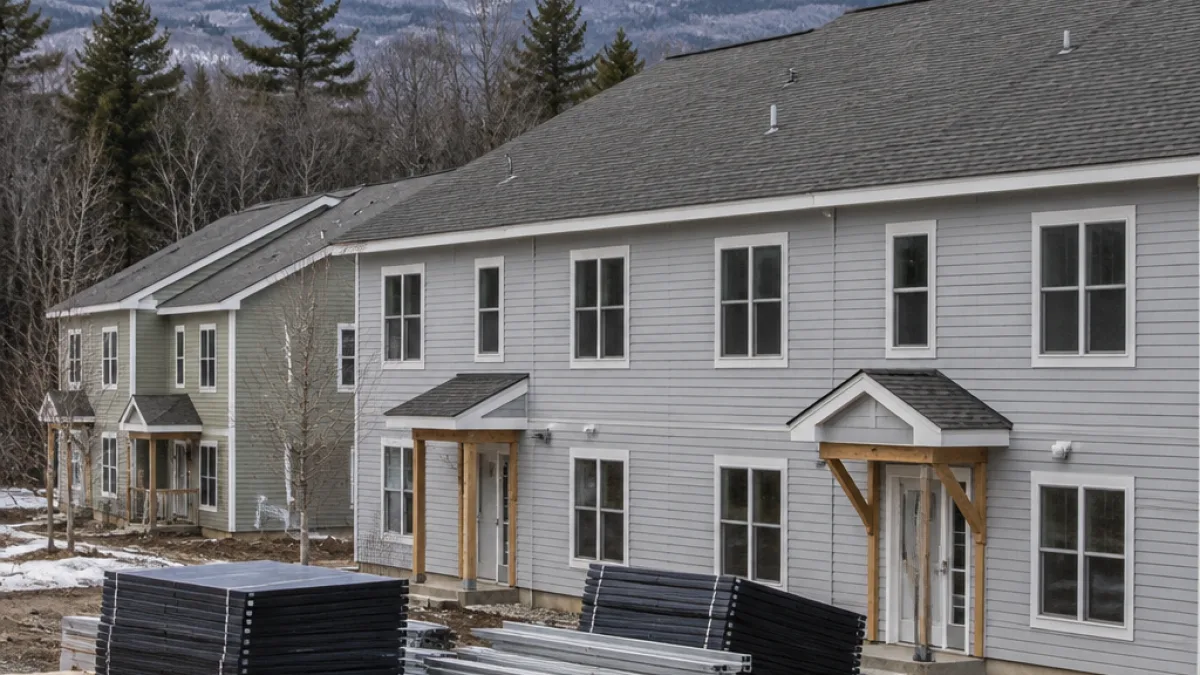
A planned rooftop solar installation at an affordable housing project in Conway was abandoned after the developer could not verify that every component met federal domestic-content requirements tied to funding from the U.S. Department of Housing and Urban Development.
Avesta Housing had planned to install 136 solar panels at a cost of $194,000. The project included components made in the United States, but the developer could not document that every part qualified under the Build America, Buy America rules, including hardware used to attach the panels to the roof.
The uncertainty over compliance and potential fines led Avesta to drop the installation. The company ultimately sourced 97% of the materials for its New Hampshire project domestically, but said sourcing challenges could affect the timing and delivery of future projects.
Rules apply to HUD-funded construction
Federal domestic-content requirements were extended to HUD-funded housing projects in 2021 under legislation approved by Congress and signed by then-President Joe Biden. Since 2024, more than $68 billion in spending has been subject to the rules, according to the information presented about the program.
Public housing agencies have said compliance generally increases project costs by 15% to 20%. Developers also have raised concerns that the process for obtaining a waiver is not fast or standardized when a required product is unavailable from U.S. suppliers. Reviews can take months, adding time to construction and procurement decisions.
“Canadian materials are often cheaper and easier to obtain than products shipped from the continental United States.”
— Colleen Dushkin, vice president of the Cook Inlet Housing Authority
The Cook Inlet Housing Authority in Alaska reduced planned buildings from six and nine units to four units each to absorb additional expenses. Dushkin said Canadian products were often less expensive and easier to obtain than materials shipped from the continental United States.
Federal agencies face calls for changes
HUD Secretary Scott Turner cited a May 10 post by President Donald Trump calling for federal agencies to purchase U.S.-made goods and opposing waivers to domestic-content requirements. A bipartisan housing bill passed by Congress this summer directs HUD to consult with stakeholders about the rules.
The HUD inspector general said in a Sept. 10 report that the department should assign responsibility for enforcing the requirements and give staff more authority to act. Affordable housing developers have sought an exemption for their projects, citing estimates of a national housing shortage exceeding 7 million homes.
- Avesta planned a $194,000 solar installation at a Conway housing project.
- The project was dropped after the developer could not verify that all components met federal requirements.
- Avesta said 97% of the materials for the New Hampshire project were ultimately sourced domestically.
The domestic-content rules apply to federally funded construction and infrastructure purchases. For the Conway project, the requirements affected a solar installation whose components included both panels and roof-mounting hardware.