State Sen. Donovan Fenton is questioning New Hampshire’s lack of direct state regulation for home heating oil prices as households prepare for a winter with fuel costs substantially above last year’s levels.
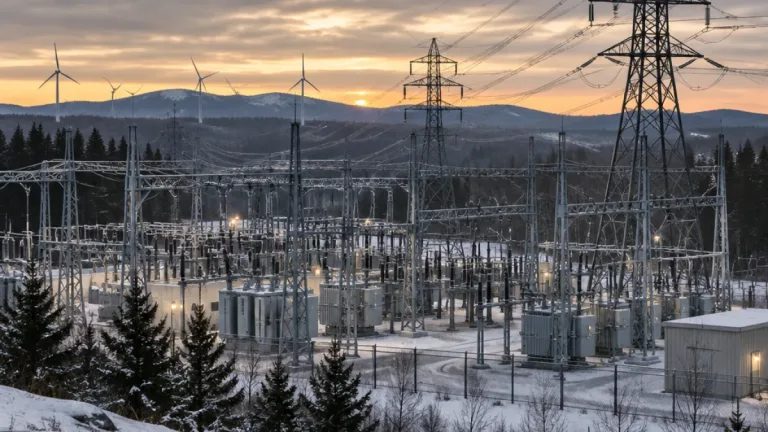
Fenton, a Keene Democrat, raised the issue in a video posted to TikTok. He compared heating oil with electricity, natural gas and certain water services, whose rates are subject to state oversight and public hearings before some increases take effect.
“One bill has none of that. No regulator, no public oversight.” — Donovan Fenton
Heating oil prices are set by dealers
Unlike regulated utilities, heating oil dealers generally set their own retail prices. The prices can reflect wholesale fuel costs, transportation, operating expenses and competition among suppliers. New Hampshire consumer-protection laws cover some aspects of the industry, including prepaid contracts and required disclosures, but the state does not use the same rate-approval process for heating oil that applies to public utilities.
Fenton said approximately four in 10 households in New Hampshire rely on heating oil for warmth. He cited a statewide average of about $6 per gallon in October, compared with approximately $3.50 per gallon during the same period last year.
| Measure | October figure |
|---|---|
| New Hampshire heating oil average | About $6 per gallon |
| Same period last year | About $3.50 per gallon |
| Estimated 275-gallon tank at current price | About $1,660 |
| Estimated 275-gallon tank last year | About $960 |
At those prices, Fenton estimated that filling a standard 275-gallon tank would cost about $1,660, compared with roughly $960 a year earlier. The comparison represents the fuel cost for a full tank and does not include other household heating expenses.
Question of regulation remains open
Fenton’s remarks raise the question of whether New Hampshire should extend some form of regulatory oversight to heating oil dealers. The senator did not explicitly propose legislation or call for government-set prices in the video.
- Electricity, natural gas and certain water utilities are overseen by state regulators.
- Heating oil dealers generally establish retail prices without state rate approval.
- Consumer rules cover prepaid contracts and disclosures, rather than setting the price charged at the pump or for delivery.
The issue comes as many New Hampshire households use delivered fuel rather than a regulated utility service. The distinction between the two systems is central to Fenton’s comparison: utility customers may receive notice and an opportunity for public review in certain rate cases, while heating oil customers generally encounter prices established by individual dealers.