As New Hampshire faces sharply higher heating oil prices ahead of winter, the cost of home heating has become a prominent issue in the state’s U.S. Senate race between Rep. Chris Pappas and former Sen. John E. Sununu.
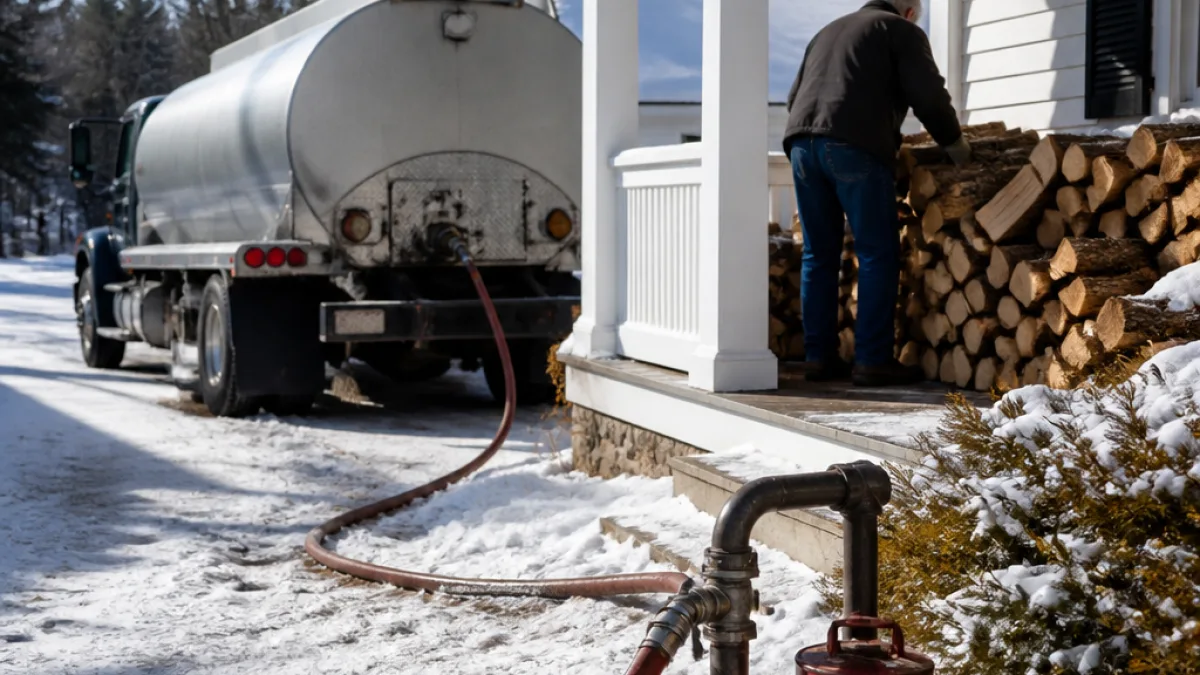
On Oct. 24, Reuters reported that heating oil prices nationally have climbed above $6 per gallon, up from about $3.50 a year earlier, citing Energy Information Administration data. The U.S. Energy Department also announced a release of heating oil from Northeast reserves earlier this week.
“Fuel that costs more than $6 a gallon is a huge expense,” Rick Russman, a Kingston resident who said he has spent five decades as a Republican, told Reuters as he described plans to rely on a wood stove to supplement heating this winter.
Cost and campaign dynamics
Heating oil is a common fuel in northern and rural parts of the state. The spike in fuel costs has drawn attention from both campaigns and outside strategists because New Hampshire is one of several states where winter heating oil usage is widespread and the Senate outcome could affect control of Congress.
- Price rise: Heating oil prices above $6 per gallon nationally, per the Energy Information Administration.
- Federal action: The Department of Energy released heating oil from Northeast reserves this week.
- Political impact: Voters interviewed by Reuters cited heating costs as a factor in their Senate vote, with some saying they planned to switch longstanding party preferences.
Republicans have argued that broader supply disruptions, including international developments, are responsible for higher diesel and heating fuel prices. Democratic campaign officials have sought to tie the costs to the Trump administration’s foreign policy, saying the president’s posture on Iran and global events has disrupted diesel supplies globally. The White House pointed to the Energy Department’s release of heating oil as a step to ease prices.
Analysts and strategists have told Reuters the spike poses a political problem for Republicans in competitive Senate contests in states where heating oil is commonly used, including New Hampshire, Maine and Alaska.
The Senate race in New Hampshire is one of a handful of contests nationally that will be decisive for Senate control on Nov. 3. Pappas, a four-term U.S. representative, is the Democratic nominee; Sununu is the Republican nominee and previously served in the Senate.
Campaign messaging in the closing days of the campaign has emphasized the immediate pocketbook impact of fuel and grocery prices. Voters quoted in the reporting said higher energy costs were influencing their choice at the ballot box.
No new federal legislative action tied to heating oil prices was announced in the reporting. The Energy Information Administration’s price figures and the Department of Energy’s fuel release were cited as the principal federal developments referenced by campaigns and voters.