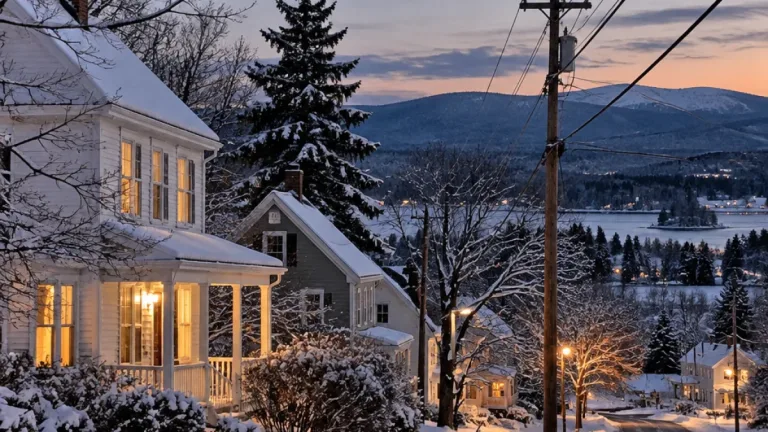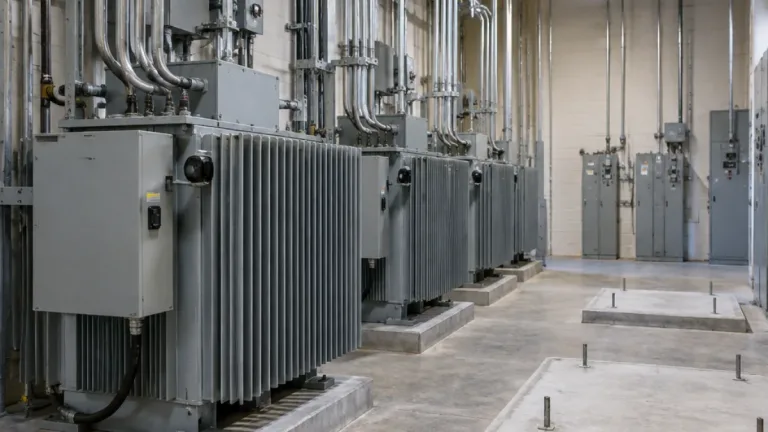
The New England power grid is expected to have enough electricity to meet demand this winter, including during a period of extreme cold, according to ISO New England, the region’s grid operator.
ISO-NE said it anticipates having more than 30,000 megawatts of generating capacity and other supply resources available. The operator projects peak demand of 20,483 megawatts under normal winter conditions and 21,457 megawatts during extreme cold.
New resources added to the grid
The regional supply picture includes generation and transmission projects that began operating in 2026. Vineyard Wind, an offshore wind project south of Martha’s Vineyard, is producing 800 megawatts, while Revolution Wind, located south of Rhode Island, is producing 704 megawatts.
- The New England Clean Energy Connect transmission line began operating in January and can carry 1,200 megawatts of electricity from Hydro-Québec through Maine to the regional grid.
- Battery storage capacity has increased and is helping support grid operations, ISO-NE officials said.
- Natural gas supplies remain constrained during winter because gas is also used to heat homes and businesses.
Troy McLaughlin, senior manager of control room operations for ISO-NE, said the region may rely more heavily on oil and other fossil fuels if a cold spell lasts for an extended period. Natural gas-fired plants generate about 50% of New England’s electricity, according to the grid operator.
“Last winter, the coldest in 20 years, saw winter consumer demand reach its highest level in seven years, peaking at 20,192 MW on Jan. 25, 2026, during Winter Storm Fern.” — ISO New England
That winter peak was below the region’s all-time winter record of 22,818 megawatts, set Jan. 15, 2004, during a cold snap. The all-time regional peak for any season was 28,130 megawatts, recorded Aug. 2, 2006.
Fuel mix and New Hampshire facilities
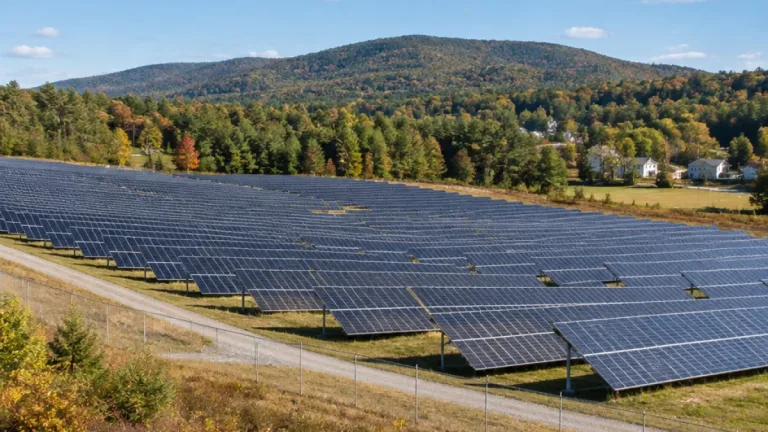
ISO-NE said the region’s electricity also comes from nuclear plants, solar arrays, small hydroelectric facilities and wood-fired plants, in addition to natural gas and other fossil fuel generators. Seabrook Station in New Hampshire is among the region’s nuclear generating facilities.
The region’s last coal-fired power plant, Merrimack Station in Bow, shut down a little more than a year ago. The facility had been part of the six-state generation mix before its closure.
ISO-NE’s winter assessment comes as the operator manages the competing demands of electricity generation and heating fuel. McLaughlin said constrained winter gas supplies can affect how power plants are dispatched, while the newer wind, transmission and battery resources add to the options available to the regional system.