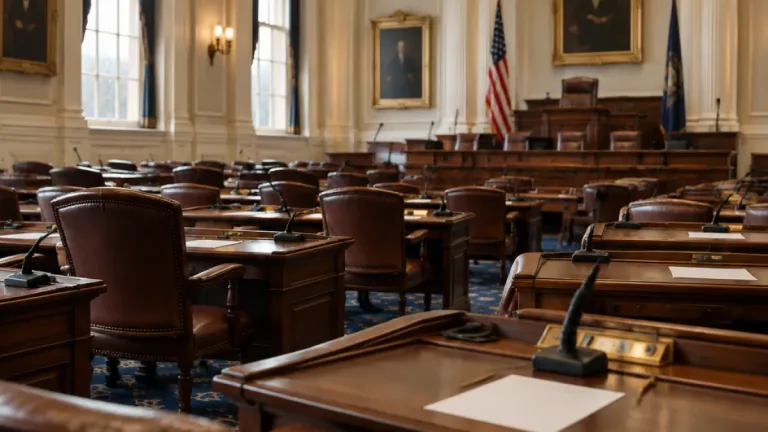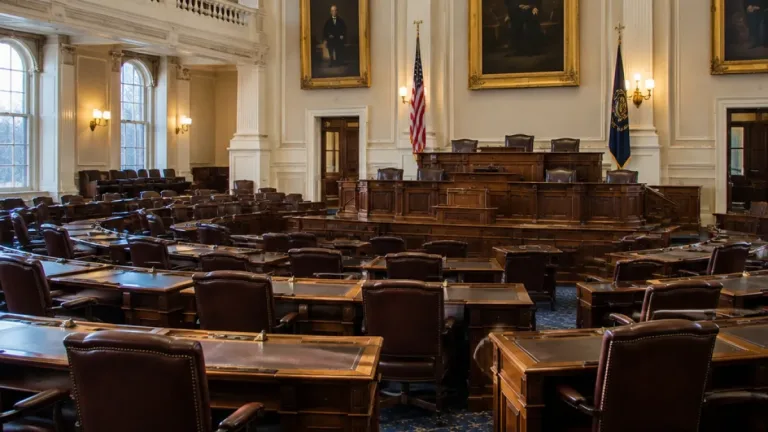
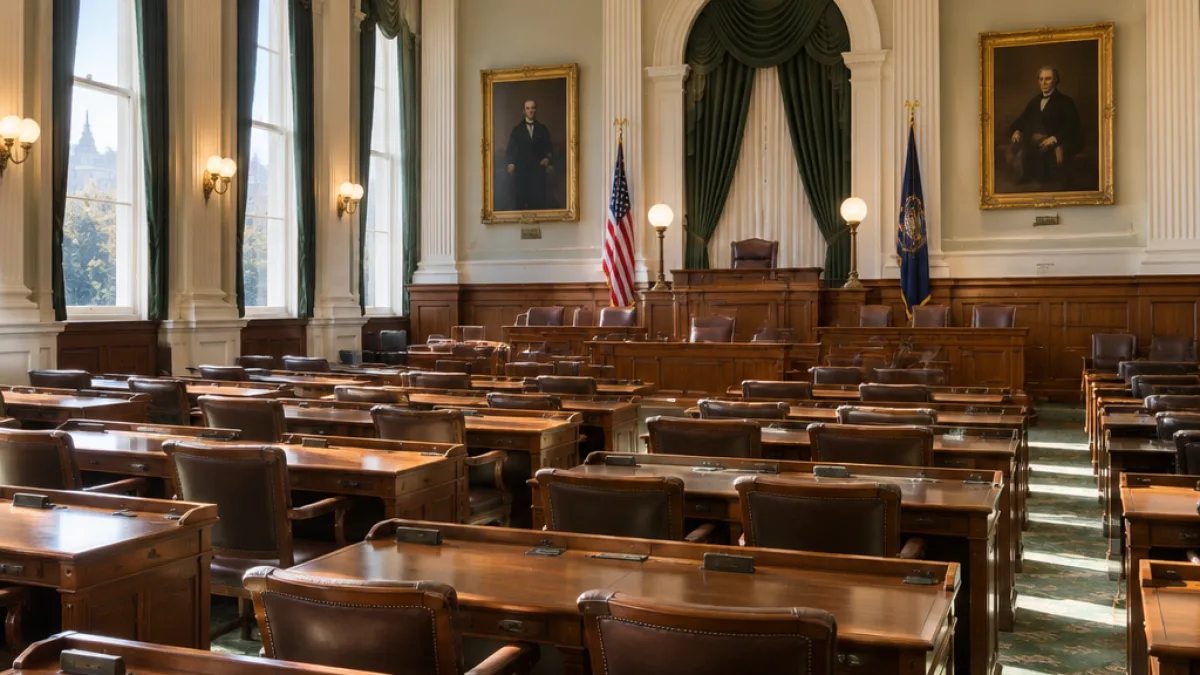
Democrats won control of all three major governing bodies in New Hampshire in the Nov. 3 general election, taking majorities in the state House and Senate and all five seats on the Executive Council.
The shift gives Democrats control of the 400-member House of Representatives, the 24-member Senate and the council for the first time since December 2020. Republican Gov. Kelly Ayotte won reelection against former Executive Councilor Cinde Warmington, leaving the governor and the Legislature under different party control.
The new majorities
- Democrats hold a 15-9 majority in the Senate, which had been controlled by Republicans 16-8.
- Democrats hold a preliminary 269-87 majority in the House, excluding races that had not been called.
- Democrats won all five Executive Council seats after Republicans previously held a 4-1 majority.
The Executive Council must approve gubernatorial appointments, pardons and transfers of state and federal funds. Its members also vote on nominations for state offices and contracts, giving the body a role in decisions that otherwise would be made by the governor or state agencies.
Executive Council member-elect Jim O’Connell, D-District 4, said he was surprised by the size of the Democratic gains. He attributed the results to voters seeking changes in their elected officials.
“I think people wanted some rationality and reasonableness from their elected leaders,” O’Connell said.
O’Connell also criticized Republican positions on government spending and referred to the influence of the Free State Project, a movement that encourages libertarians to move to New Hampshire to limit the size of government. The movement has been associated with Republican lawmakers who supported a 2022 House proposal calling for New Hampshire to secede from the United States. Thirteen representatives voted for that proposal.
The election results will shape the next legislative session, when the House and Senate will organize under Democratic majorities while Ayotte remains governor. The governor’s appointments, pardons, state contracts and transfers of public funds will require action by the newly elected Executive Council.